
Guide to Safely Clean Prefab, Modular, and Tiny Homes
General
Admin
4/27/20267 min read


Under Pressure: The Complete Guide to Safely Cleaning Prefab, Modular, and Tiny Homes
You’ve invested in a modern prefab, modular, or tiny home—engineered for efficiency, built for durability, and designed to last. But when spring arrives and that layer of winter grime needs to go, can you simply break out the pressure washer like you would with a traditional home?
The short answer is: yes, but with significant caution. The longer answer requires understanding the unique materials, connections, and construction methods that make prefab homes different from their site-built counterparts. This guide covers everything stakeholders need to know—from homeowners to professional cleaning companies—to keep these innovative homes looking their best without causing costly damage.
Part 1: Understanding What You’re Working With
The Material Reality of Prefab Homes
Prefab, modular, and tiny homes use many of the same exterior materials as traditional homes—vinyl siding, metal panels, fiber cement, wood, and increasingly, specialized composite materials. However, the way these materials are joined, sealed, and installed can differ significantly. The key vulnerability points for prefab homes include:
Seams and joints: Where modular sections connect, there are engineered seals that can be compromised by high-pressure water
Corner trims and flashing: Often precision-installed in factory settings; forced water can loosen or bypass them
Ventilation openings: Prefab homes often have specific venting patterns; directing spray into these can introduce moisture where it doesn’t belong
Industry maintenance guides emphasize that while prefab home exteriors can withstand regular cleaning, "it's important to use the right cleaning methods to avoid scratching or damaging the surfaces". The same principle applies tenfold to pressure washing.
Part 2: Can It Be Done on All Types?
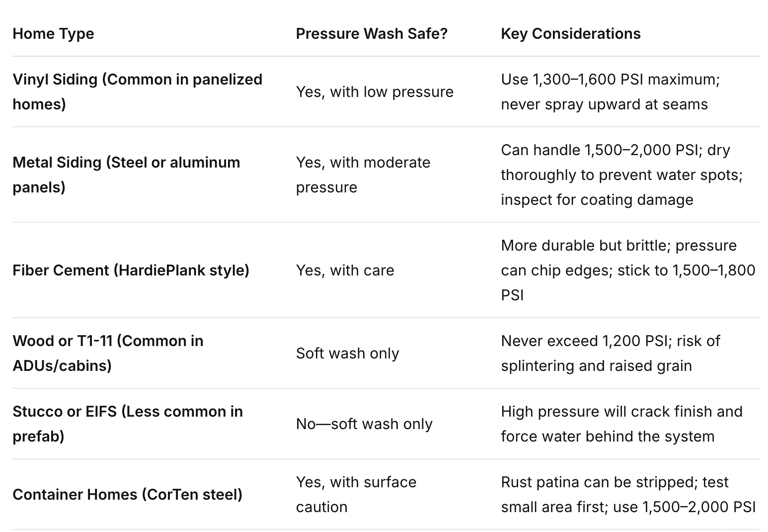
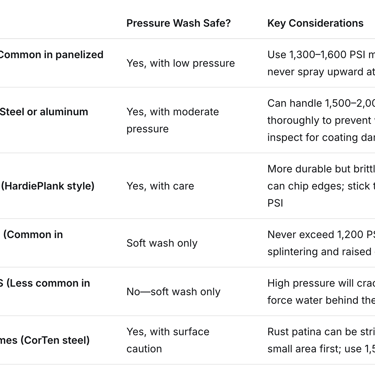
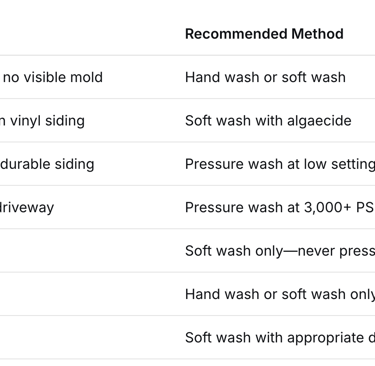
The answer depends on your home’s specific construction and finish.
A Note on Roof Cleaning
Asphalt shingles (common on prefab roofs) are extremely fragile under pressure. Recommended PSI (pound per square inch) is just 500-600 with a wide 40-65° nozzle. Tile roofs can handle 1,200-1,500 PSI, but pressure washing roofs is generally discouraged—soft washing (chemical treatment with low-pressure rinse) is safer.
Part 3: Best Practices for Pressure Washing Prefab Homes
What to Do
1. Test a small, inconspicuous area first. Before committing to the entire home, test your pressure and technique on a back corner. Check for paint lifting, water infiltration, or surface damage.
2. Use the correct pressure for each surface. Follow the PSI guidelines in the table above. For vinyl siding, industry experts recommend a pressure setting around 1,300 to 1,600 PSI to remove dirt, mold, or mildew. This is significantly lower than the 3,000+ PSI used for concrete driveways.
3. Use a wide spray angle (25-40 degrees). Narrow nozzles (0-15 degrees) concentrate force dangerously. A wider fan distributes pressure and covers more area efficiently.
4. Spray at a downward angle. Water naturally runs down surfaces. When cleaning siding, spray from above, moving horizontally. Never spray upward at an angle, which forces water behind panels and into seams.
5. Maintain a safe distance. Hold the nozzle 12-24 inches from the surface. Move closer only for stubborn spots, and never linger in one place.
6. Inspect for damage before and after. Walk around your home before starting. Note any existing cracks, loose trim, or compromised seals. After cleaning, inspect again to ensure you haven’t created new issues.
7. Protect electrical and vent openings. Cover exterior outlets, vent covers, and any factory-sealed openings with plastic sheeting and tape. Water intrusion at these points is a common cause of post-wash problems.
What to Avoid
1. Never use a zero-degree (red) or 15-degree (yellow) nozzle on any prefab home surface. These concentrate pressure into a cutting stream capable of stripping paint, gouging siding, and penetrating seals. The CDC warns that "the strong spray from a pressure washer can cause serious wounds", and those wounds apply equally to your home’s exterior.
2. Don’t spray directly at seams, joints, or corners. The engineered connections between modules are designed to shed water under normal rain conditions, not resist a direct 1,500 PSI blast. Keep the nozzle perpendicular to flat surfaces and away from gaps.
3. Avoid cleaning in direct, hot sunlight. Water evaporates quickly in heat, leaving cleaning agents as residue that can streak or spot surfaces. Overcast mornings are ideal.
4. Never use bleach or highly acidic cleaners without checking manufacturer specifications. Harsh chemicals can degrade seals, discolor siding, and damage anti-corrosion coatings. Maintenance guides specifically recommend avoiding "acidic or strongly alkaline cleaners to prevent damage to the anti-corrosion coating". Use detergents formulated for pressure washers or mild soap solutions.
5. Don’t neglect safety—for yourself or your home. The CDC emphasizes: "Never point a pressure washer at yourself or others" and "never allow children to operate a pressure washer". Also, ensure your pressure washer is properly grounded and that extension cord connections are kept out of standing water.
Part 4: What Homeowners Should Look for in a Pressure Washing Company
If you prefer to hire professionals, a wise choice for multi-story homes or those unfamiliar with pressure equipment—vetting is essential. Not all companies understand prefab construction.
The Prefab-Specific Hiring Checklist
1. Ask: "Have you worked on modular or prefab homes before?" A company experienced with traditional site-built homes may not understand the unique vulnerabilities of prefab seams, factory finishes, and engineered panels. Request references from prefab homeowners if possible.
2. Verify licensing and insurance—thoroughly. Liability insurance protects you in case of property damage or accidents during service. Confirm that their policy covers the replacement value of your home, not just general liability. A standard pressure washing company should have both general liability and workers' compensation insurance.
3. Ask about their cleaning method: pressure wash or soft wash? Soft washing uses low-pressure spray (under 500 PSI) combined with specialized cleaning solutions. For many prefab homes—especially those with wood, stucco, or older siding—this is the safer choice. A professional provider will evaluate your property and recommend the safest technique based on material type and condition.
4. Inquire about PSI settings and nozzle selection. A knowledgeable company should immediately provide specific PSI numbers for your siding type. Vague answers like "we use commercial equipment" are red flags. They should know that vinyl siding requires 1,300-1,600 PSI, not 3,000.
5. Ask about their chemical usage. Will they use bleach? What precautions do they take for landscaping? Are their detergents eco-friendly? Responsible contractors use approved detergents, with some opting for eco-friendly products, and most importantly follow protocols to protect landscaping and nearby water sources.
6. Request a detailed written estimate. The estimate should specify the cleaning method, PSI to be used, chemicals applied, and any areas that will be avoided (vents, seams, electrical). A transparent company provides clear pricing with no hidden fees.
7. Ask about their water intrusion protocol. What do they do to prevent water from getting behind siding or into seams? Do they seal vents and outlets before starting? A professional company should have a clear answer.
Red Flags to Watch For
Claims that "one pressure setting works for everything"
Inability to provide proof of insurance
No online presence or verifiable reviews
Pressure to pay in full before work begins
Lack of familiarity with soft washing techniques
Part 5: What Pressure Washing Companies Should Consider
For businesses offering cleaning services, prefab and modular homes represent both an opportunity and a liability risk. Here’s how to excel in this niche.
Know Your Product
Invest time in understanding prefab construction. The Modular Home Code regulations, such as those established in Wisconsin under Section 101.73, require manufacturers to meet specific standards for building materials, methods and equipment in the manufacture and installation of modular homes. Homes built to these standards have specific engineered vulnerabilities that generic cleaning approaches may exploit.
Develop Prefab-Specific Protocols
Pre-cleaning inspection: Document existing conditions—paint defects, loose trim, seal gaps—with photos before starting. This protects both you and the homeowner.
Selective method application: Use soft washing for wood, stucco, and older vinyl. Reserve pressure washing for durable surfaces like concrete foundations and metal panels—and even then, stay well below maximum PSI ratings.
Seam and penetration protection: Mask off vents, electrical fixtures, and module connection seams before washing. This extra step prevents the callbacks that arise from water infiltration.
Training and certification: Ensure your team understands that vinyl siding requires 1,300-1,600 PSI with a 25-40° nozzle is not optional trivia—it’s essential knowledge. Consider manufacturer training programs for specific siding products.
Liability Considerations
Carry higher liability limits: Prefab home replacement costs can be significant. Standard coverage may be insufficient.
Document everything: Before-and-after photos, signed estimates, and inspection checklists are your best defense against damage claims.
Know your exclusions: Be clear about what you won’t clean (e.g., asphalt roofs, certain stucco finishes, unsealed wood).
Marketing Your Prefab Expertise
Position yourself as the specialist. Homeowners searching for prefab home cleaning want someone who understands their home’s unique needs. Highlight your knowledge of:
Appropriate PSI for different prefab siding types
Seam and joint protection techniques
Soft washing alternatives
Eco-friendly cleaning solutions that won’t damage factory finishes
Part 6: Alternative Cleaning Methods for Prefab Homes
Pressure washing isn’t always the answer. For routine maintenance, gentler approaches may be sufficient.
Soft Washing
Soft washing uses low-pressure spray (typically under 500 PSI) combined with biodegradable cleaning solutions that kill mold, mildew, and algae at the source. The pressure is low enough to be safe for virtually all prefab surfaces, including roofs. For homes with wood siding, stucco, or older finishes, this is the preferred method.
Hand Washing
For small tiny homes or homes with delicate finishes, a soft-bristle brush, bucket of mild soapy water, and garden hose remain effective. This method eliminates all pressure-related risks and allows close inspection of surfaces as you clean.
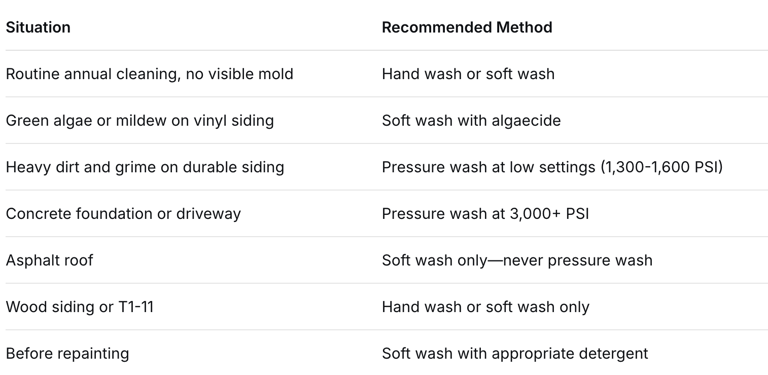
When to Choose Each Method
Part 7: Maintenance Schedules for Prefab Home Exteriors
Regular cleaning extends the life of your home’s exterior finishes and prevents the buildup that makes pressure washing necessary.
Exterior cleaning frequency recommendations:
General cleaning: At least every few months
High-pollution or coastal areas: Monthly cleaning may be necessary
Gutter and downspout checks: Twice yearly (spring and fall)
Seal and seam inspection: Quarterly, focusing on door frames, window frames, and roof-to-wall joints
Anti-corrosion coating inspection: Annually in coastal or high-humidity areas
The recommendation for steel-framed prefab homes is to sand and repaint rusted areas on steel surfaces within 48 hours of damage, a reminder that prompt attention to small issues prevents major repairs.
Conclusion: Pressure Washing Is a Tool, Not a Solution
Pressure washing can restore your prefab, modular, or tiny home’s appearance efficiently—but only when used correctly. The unique materials, engineered seams, and factory finishes of these homes demand more care than traditional site-built construction.
For homeowners: Know your siding type, protect vulnerable areas, and never hesitate to hire professionals who understand prefab construction.
For cleaning companies: Specialize, train thoroughly, and document everything. The growing prefab market represents a significant business opportunity for those who approach it with expertise rather than brute force.
When in doubt, remember the core principle from maintenance experts: "Use a soft-bristle brush and a mild, non-abrasive cleaning solution". The gentlest effective method is always the safest method. Your home—whether assembled on-site or in a factory—deserves nothing less.
PREFAB SOLUTIONS
LOCATION
STAY UPDATED
info@prefabsolutions.ca
© 2025. ALL RIGHTS RESERVED
1000784075 ONTARIO CORPORATION OCN/BIN Numéro de société de l’Ontario/NIE: 1000784075
CONTACT
We are a digital first company based in Toronto, Ontario, Canada
SOCIAL
OUR BRANDS
Prefab Essentials
Prefab Match
Prefab Collective
The Modularity Group Inc. is a company with multiple business holdings. Prefab Solutions serves consumers with prefab construction advocacy. PrefabIQ serves consumers with housing construction and management software. Prefab Match is in the housing listing industry. Prefab Essentials retails premium décor and furnishings, while Prefab Collection offers a membership-based community for enthusiasts to share and learn. While each company operates as a separate entity, we all function on the foundational principle: the future of living is smarter, it is more flexible, it is about precision over excess, it is about community over going it alone—and it is also modular. We believe a well-designed home is a symphony of integrated parts; a harmonious blend of space, light, and function.
D-U-N-S NUMBER 243369819